vaccines

Yes there are now several vaccines that are in use. The first mass vaccination programme started in early December 2020 and as of and as of 15 February 2021, 175.3 million vaccine doses have been administered. At least 7 different vaccines (3 platforms) have been administered.

WHO issued an Emergency Use Listing (EULs) for the Pfizer COVID-19 vaccine (BNT162b2) on 31 December 2020. On 15 February 2021, WHO issued EULs for two versions of the AstraZeneca/Oxford COVID-19 vaccine, manufactured by the Serum Institute of India and SKBio. On 12 March 2021, WHO issued an EUL for the COVID-19 vaccine Ad26.COV2.S, developed by Janssen (Johnson & Johnson). WHO is on track to EUL other vaccine products through June. 

Several different types of potential vaccines for COVID-19 are in development, including:

  • Inactivated or weakened virus vaccines, which use a form of the virus that has been inactivated or weakened so it doesn’t cause disease, but still generates an immune response.
  • Protein-based vaccines, which use harmless fragments of proteins or protein shells that mimic the COVID-19 virus to safely generate an immune response.
  • Viral vector vaccines, which use a safe virus that cannot cause disease but serves as a platform to produce coronavirus proteins to generate an immune response.
  • RNA and DNA vaccines, a cutting-edge approach that uses genetically engineered RNA or DNA to generate a protein that itself safely prompts an immune response.

As of 18 February 2021, at least seven different vaccines across three platforms have been rolled out in countries. Vulnerable populations in all countries are the highest priority for vaccination.

At the same time, more than 200 additional vaccine candidates are in development, of which more than 60 are in clinical development. COVAX is part of the ACT Accelerator, which WHO launched with partners in 2020. COVAXthe vaccines pillar of ACT Accelerator, convened by CEPI, Gavi and WHO, aims to end the acute phase of the COVID-19 pandemic

history of the virus

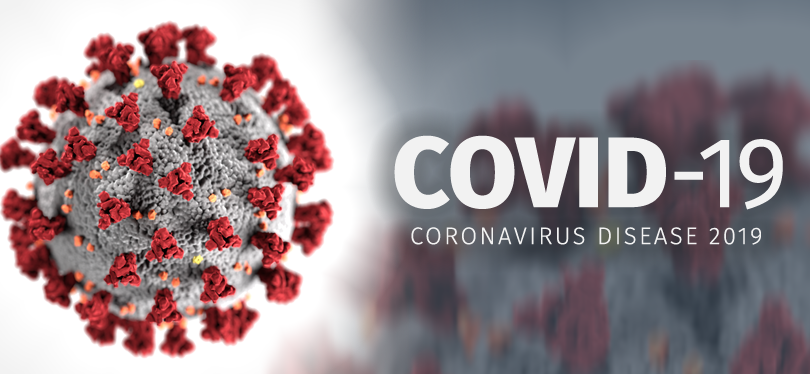
Coronavirus disease (COVID-19) is an infectious disease caused by a newly discovered coronavirus.

Most people infected with the COVID-19 virus will experience mild to moderate respiratory illness and recover without requiring special treatment.  Older people, and those with underlying medical problems like cardiovascular disease, diabetes, chronic respiratory disease, and cancer are more likely to develop serious illness.

Severe acute respiratory syndrome coronavirus 2 (SARS-CoV-2) is a novel severe acute respiratory syndrome coronavirus. It was first isolated from three people with pneumonia connected to the cluster of acute respiratory illness cases in Wuhan. All structural features of the novel SARS-CoV-2 virus particle occur in related coronaviruses in nature.

signs and symptoms

COVID-19 affects different people in different ways. Most infected people will develop mild to moderate illness and recover without hospitalization.

Most common symptoms:

  • fever.
  • dry cough.
  • tiredness.

Less common symptoms:

  • aches and pains.
  • sore throat.
  • diarrhoea.
  • conjunctivitis.
  • headache.
  • loss of taste or smell.
  • a rash on skin, or discolouration of fingers or toes.

Serious symptoms:

  • difficulty breathing or shortness of breath.
  • chest pain or pressure.
  • loss of speech or movement.

Seek immediate medical attention if you have serious symptoms.  Always call before visiting your doctor or health facility. 

People with mild symptoms who are otherwise healthy should manage their symptoms at home. 

On average it takes 5–6 days from when someone is infected with the virus for symptoms to show, however it can take up to 14 days. 

Most people infected with the COVID-19 virus will experience mild to moderate respiratory illness and recover without requiring special treatment.  Older people, and those with underlying medical problems like cardiovascular disease, diabetes, chronic respiratory disease, and cancer are more likely to develop serious illness

prevention

The best way to prevent and slow down transmission is to be well informed about the COVID-19 virus, the disease it causes and how it spreads. Protect yourself and others from infection by washing your hands or using an alcohol based rub frequently and not touching your face. 

The COVID-19 virus spreads primarily through droplets of saliva or discharge from the nose when an infected person coughs or sneezes, so it’s important that you also practice respiratory etiquette (for example, by coughing into a flexed elbow).

To prevent infection and to slow transmission of COVID-19, do the following:

  • Wash your hands regularly with soap and water, or clean them with alcohol-based hand rub.
  • Maintain at least 1 metre distance between you and people coughing or sneezing.
  • Avoid touching your face.
  • Cover your mouth and nose when coughing or sneezing.
  • Stay home if you feel unwell.
  • Refrain from smoking and other activities that weaken the lungs.
  • Practice physical distancing by avoiding unnecessary travel and staying away from large groups of people.

Recent updates

Globally, as of 3:57pm CEST, 20 April 2021, there have been 141,754,944 confirmed cases of COVID-19, including 3,025,835 deaths, reported to WHO. As of 20 April 2021, a total of 843,158,196 vaccine doses have been administered.

click here for more info https://covid19.who.int/table

Design a site like this with WordPress.com
Get started